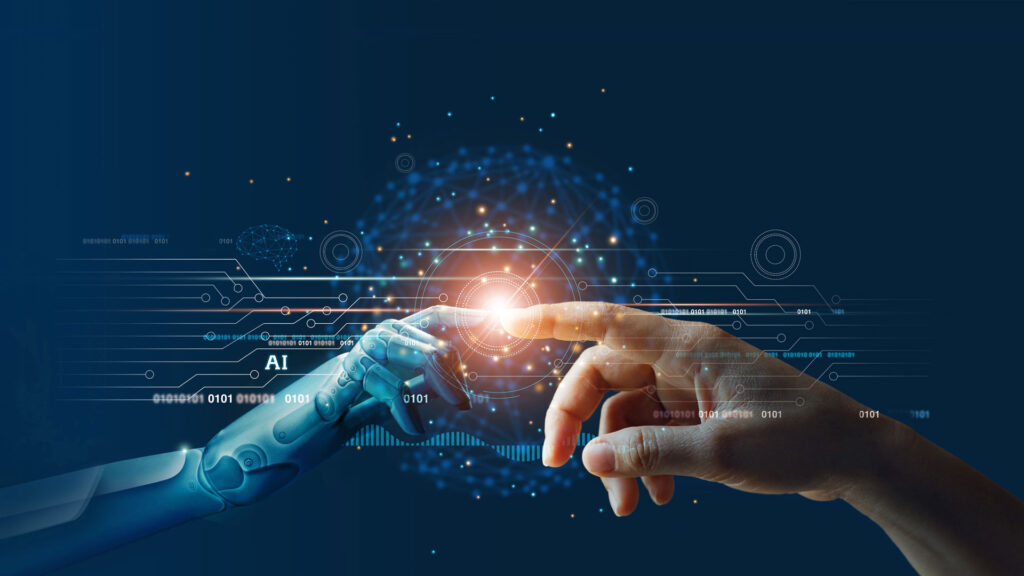
The Future of Learning and Development: How AI Is Transforming Workforce Training
The Future of Learning and Development
How AI Is Transforming Workforce Training
For decades, corporate training followed a predictable model.
Employees attended workshops, completed e-learning modules, and participated in occasional development programs designed by learning teams.
While these approaches helped organizations build foundational knowledge, they often struggled to keep pace with the rapidly changing demands of modern work.
Today, artificial intelligence is reshaping how organizations approach workforce development.
From personalized learning experiences to real-time performance support, AI is transforming the learning ecosystem in ways that were not possible even a few years ago.
For learning and development leaders, the question is no longer whether artificial intelligence will influence training. The real question is how organizations can strategically integrate AI to build more agile, skilled, and adaptable workforces.
Why Traditional Training Models Are No Longer Enough
The pace of change in today's workforce is unprecedented.
New technologies, evolving business models, and rapidly shifting market conditions require employees to continuously learn new skills.
Yet traditional corporate training programs often struggle to keep up with this speed of change.
Most learning programs are designed months in advance. Content is developed, reviewed, and delivered through scheduled sessions or online modules.
By the time the training is delivered, the business environment may already have evolved.
This lag between learning design and real-world application creates a gap between what employees are taught and what they actually need to perform effectively.
Artificial intelligence helps close that gap.
AI Is Enabling Personalized Learning at Scale
One of the most significant advantages of artificial intelligence in learning and development is its ability to personalize training.
Traditional training programs often deliver the same content to every employee regardless of their role, experience level, or learning needs.
AI-powered learning systems can adapt content in real time.
These systems analyze data such as:
• employee skill levels
• learning behavior
• performance metrics
• job responsibilities
Based on this information, AI can recommend targeted learning resources tailored to each individual.
For example, a sales professional might receive coaching simulations focused on negotiation skills, while a new manager might receive leadership development modules designed to support team management.
This level of personalization allows organizations to deliver more relevant learning experiences while avoiding unnecessary training.
AI Is Shifting Learning from Events to Continuous Development
Another major transformation driven by artificial intelligence is the shift from scheduled training events to continuous learning.
In traditional models, employees attend training sessions and then return to their daily work.
The challenge with this approach is that learning often fades quickly without reinforcement.
AI-powered learning platforms help integrate development directly into everyday work.
For example, intelligent learning systems can recommend resources when employees encounter specific challenges.
A relationship manager preparing for a complex client meeting might receive suggested conversation frameworks, compliance reminders, or product insights before the meeting takes place.
This type of real-time performance support strengthens learning while improving decision making.
Skills Intelligence and Workforce Planning
Artificial intelligence is also improving how organizations understand workforce skills.
Many organizations struggle to answer fundamental questions such as:
What skills do our employees currently have?
What capabilities will we need in the future?
Where are our largest skill gaps?
AI-powered talent analytics platforms can analyze job roles, employee profiles, and performance data to map organizational capabilities.
This process, often called skills intelligence, allows organizations to make more informed decisions about training investments.
Learning leaders can identify emerging skill needs, prioritize development initiatives, and align training programs with long-term business strategy.
The Human Side of AI in Learning
While artificial intelligence offers powerful tools for improving learning systems, it is important to remember that technology alone does not create meaningful development.
Learning is ultimately a human process.
Employees grow through coaching, mentorship, collaboration, and experience.
AI should not replace these elements. Instead, it should support them.
The most effective learning strategies combine intelligent technology with strong leadership development, performance coaching, and collaborative learning environments.
When used thoughtfully, AI allows learning teams to spend less time managing administrative tasks and more time focusing on strategic capability building.
The Role of Learning Leaders in an AI-Driven Future
As artificial intelligence continues to evolve, the role of learning and development leaders will also change.
Rather than focusing primarily on course design and training delivery, learning leaders will increasingly act as strategic architects of workforce capability.
This includes:
• aligning learning with business strategy
• integrating AI-powered learning technologies
• building continuous development systems
• supporting leadership and talent growth
• measuring the impact of learning on performance
Organizations that successfully integrate AI into their learning ecosystems will gain a significant advantage in building adaptable, future-ready workforces.
The Future of Learning Is Already Here
Artificial intelligence is not a distant trend in corporate learning. It is already shaping how organizations develop talent and build workforce capability.
For learning leaders, the opportunity is clear.
By combining thoughtful learning strategy with intelligent technology, organizations can create development systems that are more personalized, more responsive, and more effective than traditional training models.
The future of learning and development will not simply be about delivering more training.
It will be about designing learning ecosystems that enable people to grow continuously while helping organizations navigate an increasingly complex world.